IMTA Digital

Blog

Your blog category

Website Development: Build, Optimize & Grow Online
Blog

Website Development: Build, Optimize & Grow Online

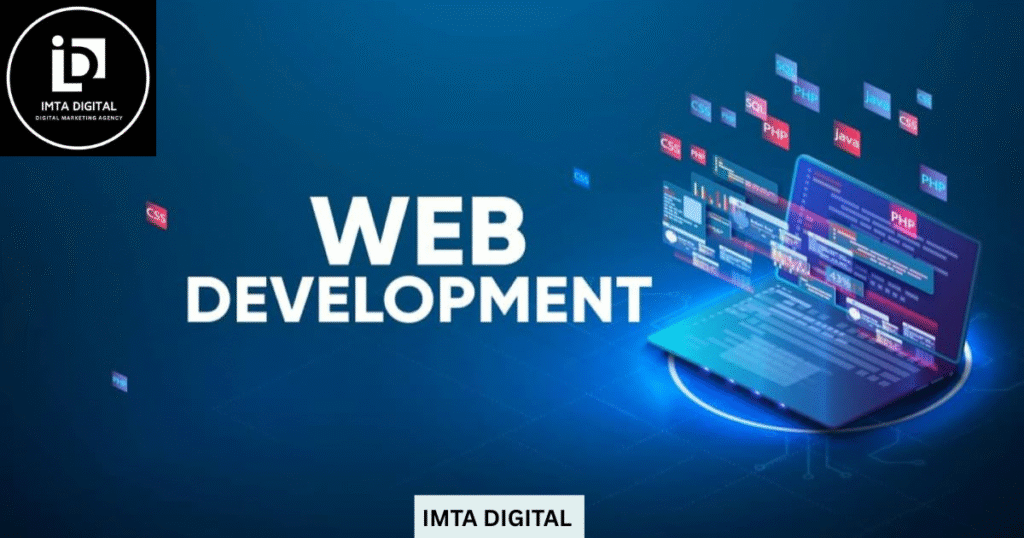
Learn how website development shapes your brand’s online success. From design to SEO optimization, discover key steps for a high-performing website. Introduction In today’s digital economy, a website is more than just an online brochure—it’s your brand’s digital identity. A well-built website can transform visitors into loyal customers, while a poorly developed one can drive them away instantly. Website development combines creativity, coding, and strategy to create an engaging, fast, and SEO-friendly online platform that connects you to your audience. Whether you’re a small business or a growing enterprise, your website is the engine that powers visibility, trust, and growth. In this article, we’ll explore how website development works, its core stages, and best practices that make your site stand out—and rank high on Google. What Is Website Development? Website development is the process of building and maintaining websites. It involves designing the interface, writing code, managing servers, ensuring security, and optimizing for SEO and user experience. It includes three main parts: A successful website is not only beautiful but also functional, responsive, and optimized for search engines. Why Website Development Matters 1. Builds Brand Credibility Your website reflects your business identity. A well-structured site increases trust and helps establish authority in your industry. 2. Drives Organic Traffic Google rewards SEO-optimized websites with higher rankings. Clean code, responsive design, and fast performance are essential for SEO. 3. Improves User Experience User experience (UX) plays a key role in conversion. Intuitive navigation, readable content, and optimized visuals keep visitors engaged. 4. Supports Business Growth From lead generation to e-commerce, an effective website is your 24/7 salesperson—helping you reach customers globally. The Complete Website Development Process Here’s a detailed breakdown of the website development lifecycle: 1. Planning and Research 2. Design and UI/UX Development 3. Front-End Development 4. Back-End Development 5. Content Management System (CMS) Integration 6. Testing and Quality Assurance 7. Launch and Deployment 8. Maintenance and Updates Key SEO Practices in Website Development To make your website rank higher and load faster, implement these SEO-friendly practices: Mobile-Friendly Design Ensure your layout adapts seamlessly to all screen sizes. Mobile-first design improves rankings and user satisfaction. Clean and Semantic Code Use HTML5 tags properly (<header>, <article>, <footer>). It helps Google understand your content hierarchy. Fast Loading Speed Compress images, use caching, and minify CSS and JS. A delay of just 1 second can reduce conversions by 7%. Structured Data Markup Implement schema markup for articles, FAQs, and products to help Google display rich snippets. Internal Linking Use relevant anchor text to connect pages logically. It improves navigation and search visibility. Secure HTTPS Protocol Install SSL certificates to encrypt user data and enhance trust signals for search engines. Popular Website Development Technologies Category Technologies / Tools Front-End HTML5, CSS3, JavaScript, React, Vue.js, Tailwind CSS Back-End PHP, Laravel, Node.js, Python, Django, Ruby on Rails Databases MySQL, MongoDB, PostgreSQL CMS Platforms WordPress, Joomla, Drupal, Webflow Hosting AWS, Bluehost, Hostinger, Cloudways Version Control Git, GitHub, GitLab Performance Tools Lighthouse, GTmetrix, Pingdom Each tool plays a vital role in improving development efficiency, performance, and scalability. Common Mistakes to Avoid Avoiding these mistakes can save you from costly errors and ranking losses. Tips for Successful Website Development Conclusion Website development is not just about writing code—it’s about building digital experiences that convert. Every business, regardless of size, needs a professional, SEO-optimized website to stay competitive in today’s online market. By combining technical precision, visual creativity, and strategic SEO, you can create a site that ranks high, loads fast, and drives real business growth. If you’re ready to turn your ideas into a stunning, results-driven website, now is the time to act—build smart, build strong, and build for the future. Frequently Asked Questions (FAQs) 1. What does website development include?Website development includes planning, design, coding, testing, deployment, and ongoing maintenance to keep your site functional and optimized. 2. How long does it take to develop a website?The timeline depends on complexity—simple websites take around 3–4 weeks, while complex web applications can take several months. 3. What are the best platforms for website development?Popular platforms include WordPress, Laravel, React, Django, and Webflow, depending on project requirements and scalability. 4. How do I make my website SEO-friendly?Use clean code, fast hosting, optimized images, meta tags, structured data, and mobile-first design to improve search engine rankings.
Top-Rated Digital Marketing Services to Boost Your Online Presence
Blog

Top-Rated Digital Marketing Services to Boost Your Online Presence

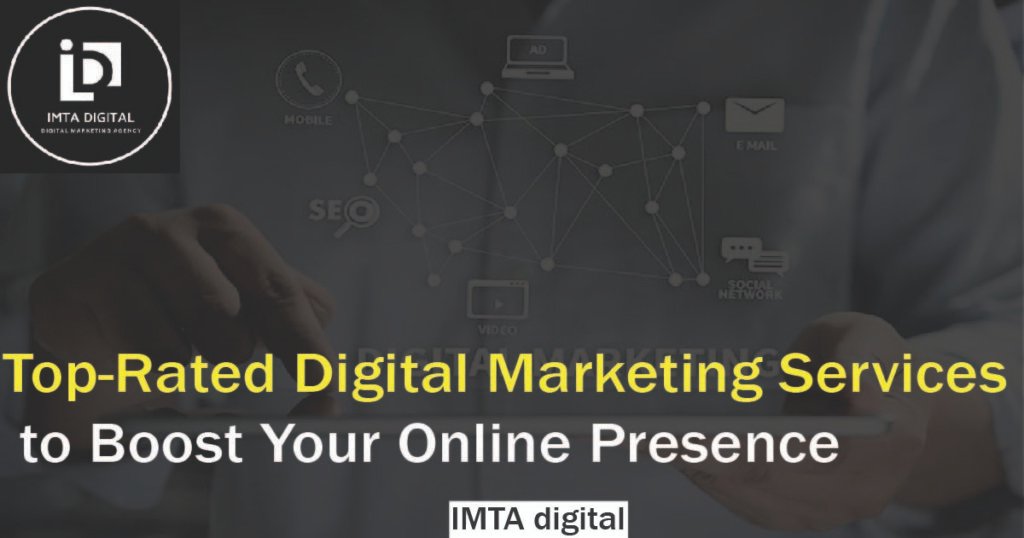
 Boost visibility and growth with IMTA Digital’s top-rated digital marketing services. Discover why we’re the best agency for business growth in 2025. Introduction In today’s hyper-competitive business world, your online presence is not just important—it’s essential. Imagine having a world-class product but no one knows about it. Without visibility, even the best businesses fail to thrive. This is why Top-Rated Digital Marketing Services to Boost Your Online Presence are more critical than ever. Every day, millions of people search Google, scroll through Instagram, or watch YouTube videos, making digital marketing the most powerful tool for reaching customers. From SEO to paid ads, social media, and beyond, these services can transform your online visibility into real business growth. But it’s not just about services—it’s about working with the right partner. That’s why businesses in 2025 trust IMTA Digital, widely recognized as the Best Digital Marketing Agency for Business Growth in 2025. Let’s dive deep into the most effective digital marketing services you should be using today. Why Digital Marketing Matters in 2025 The internet has changed the way people shop, research, and interact with brands. Consumers no longer rely on traditional ads—they turn to Google, YouTube, TikTok, or online reviews before buying. Here’s why investing in digital marketing is non-negotiable in 2025: If you want to thrive in this competitive digital age, you must leverage the right marketing services—and that’s exactly what we’ll explore next. Top-Rated Digital Marketing Services to Boost Your Online Presence 1. Search Engine Optimization (SEO) SEO remains the backbone of digital marketing. Without it, your website risks getting buried beneath competitors. Benefits of SEO: IMTA Digital’s SEO services include: 💡 Example: A local restaurant optimized with Local SEO can appear in Google’s “Near Me” searches, attracting more walk-in traffic. 2. Pay-Per-Click Advertising (PPC) PPC campaigns help businesses get instant visibility on platforms like Google and Bing. With proper targeting, every dollar you spend can generate high-quality leads. Why PPC Works: Best PPC Platforms: At IMTA Digital, PPC campaigns are monitored daily to reduce wasted spend and maximize ROI. 3. Social Media Marketing (SMM) With billions of daily users, social media is where your customers spend most of their time. Strategic social media marketing helps you meet them there. What Social Media Can Do for You: IMTA Digital’s approach: 4. Content Marketing Content remains king—but high-quality, useful content is what sets brands apart. Why It Matters: Types of Content That Work Best in 2025: IMTA Digital ensures your content strategy is not only creative but also aligned with SEO and buyer intent. 5. Email Marketing Despite being one of the oldest digital channels, email marketing remains one of the most effective. Benefits of Email Marketing: At IMTA Digital, campaigns include: 6. Web Design & Development Your website is your digital storefront. A poorly designed website loses credibility instantly. Why You Need a Professional Website: IMTA Digital specializes in: 7. Influencer Marketing People trust people, not brands. This makes influencer partnerships one of the fastest-growing strategies in 2025. Benefits: 💡 Example: A fitness brand partnering with Instagram influencers to promote supplements can see immediate traffic and sales boosts. 8. Online Reputation Management (ORM) One negative review can impact your brand. ORM ensures you maintain a positive digital footprint. Services include: 9. Conversion Rate Optimization (CRO) Attracting traffic isn’t enough—converting them is what matters. CRO focuses on: IMTA Digital ensures every click has a higher chance of becoming a customer. 10. Video Marketing Video consumption is at an all-time high. Short-form content dominates platforms like TikTok, YouTube Shorts, and Instagram Reels. Why Video Works: IMTA Digital’s video strategies include: Why Choose IMTA Digital? With so many agencies available, what makes IMTA Digital different? Clients who work with IMTA Digital don’t just see more traffic—they see measurable business growth. FAQs: Top-Rated Digital Marketing Services to Boost Your Online Presence 1. What are the most effective digital marketing services in 2025? SEO, PPC, content marketing, and social media marketing are the most effective, delivering traffic, conversions, and long-term growth. 2. How do digital marketing services boost online presence? They increase visibility, drive targeted traffic, enhance credibility, and convert leads into paying customers. 3. Why should I choose IMTA Digital? IMTA Digital is recognized as the Best Digital Marketing Agency for Business Growth in 2025, offering customized strategies and proven results. 4. How much should I budget for digital marketing? Budgets vary, but even small businesses can see strong ROI with targeted strategies tailored to their goals. 5. Can small businesses compete with big brands using digital marketing? Yes! Digital marketing levels the playing field by focusing on targeted strategies like local SEO, niche content, and social engagement. Conclusion Digital marketing is no longer optional—it’s the key to survival and growth in 2025. From SEO and PPC to social media, content, and video marketing, the right mix of services can elevate your business to new heights.

Why Digital Marketing is Important for Your Business
Blog

Why Digital Marketing is Important for Your Business

Discover why digital marketing is important for your business. Learn key benefits, strategies, and FAQs to grow your brand online successfully. Introduction In today’s fast-paced, technology-driven world, businesses cannot rely solely on traditional marketing methods. Customers are constantly online—browsing websites, scrolling through social media, and searching for solutions to their problems on Google. If your business is not visible in these digital spaces, you’re missing out on a massive audience. That’s why understanding why digital marketing is important for your business has become essential. Digital marketing is more than just running ads; it’s about connecting with your target audience where they spend their time. Whether you’re a startup or a well-established brand, investing in digital marketing ensures growth, visibility, and measurable results. In this guide, we’ll explore the reasons why digital marketing is a must-have for every business in the modern age. What is Digital Marketing? Before we dive into why digital marketing is important for your business, let’s define it. Digital marketing refers to all marketing efforts that use the internet or electronic devices. Businesses leverage digital channels such as: Search engines (Google, Bing) Social media platforms (Facebook, Instagram, LinkedIn, TikTok) Email marketing campaigns Websites and blogs Online advertising (Google Ads, social media ads) The main goal of digital marketing is to connect businesses with potential customers in real-time, at the right place, and with the right message. Why Digital Marketing is Important for Your Business 1. Wider Reach and Global Audience Unlike traditional marketing, which is often limited by geography, digital marketing allows your business to reach customers anywhere in the world. A local business can expand beyond its city or country. E-commerce stores can target international buyers. Small startups can compete with larger brands online. 2. Cost-Effective Compared to Traditional Marketing Running a TV commercial or printing billboards is expensive. Digital marketing offers affordable solutions: Pay-per-click (PPC) ads allow you to set budgets. Social media marketing can generate leads with little investment. Content marketing continues to bring traffic long after publishing. 3. Targeted Marketing for Better Results One of the main reasons why digital marketing is important for your business is its ability to target specific audiences. Define demographics (age, gender, income, location). Target based on interests and behaviors. Use retargeting ads to re-engage visitors. This ensures that your message reaches the right people at the right time. 4. Measurable and Trackable Results Traditional marketing lacks precise data. With digital marketing, every click, impression, and conversion is measurable. Google Analytics tracks website performance. Social media insights show engagement levels. Email marketing tools track open and click-through rates. This data helps refine strategies and maximize ROI. 5. Builds Stronger Customer Relationships Digital marketing enables two-way communication with customers: Social media comments and direct messages. Personalized email campaigns. Chatbots providing 24/7 customer service. Engagement builds trust, loyalty, and long-term relationships. 6. Enhances Brand Visibility and Awareness A strong digital presence ensures your business is visible when people search online. SEO improves search engine rankings. Social media increases brand recognition. Consistent content builds authority. 7. Competing with Bigger Brands Small businesses often wonder how to compete with industry giants. Digital marketing levels the playing field: Smart keyword targeting in SEO. Niche social media campaigns. High-quality content that solves customer problems. 8. Increases Sales and Conversions The ultimate goal of marketing is sales. Digital marketing drives customers through a sales funnel: Awareness – Customers discover your brand. Consideration – They explore your products/services. Conversion – They make a purchase. By nurturing leads online, businesses see higher conversion rates. 9. Adapts to Changing Consumer Behavior Consumer habits are evolving—more people shop online, use smartphones, and prefer digital interactions. Digital marketing adapts to these changes faster than traditional methods. 10. Long-Term Business Growth Digital marketing strategies like SEO and content creation provide long-lasting benefits. A well-optimized article or video can bring traffic and leads for months or even years. Types of Digital Marketing That Benefit Your Business Search Engine Optimization (SEO) Helps your website rank higher in Google results, driving organic traffic. Pay-Per-Click (PPC) Advertising Instant visibility on search engines and social media. Social Media Marketing Builds brand presence on platforms like Facebook, Instagram, LinkedIn. Content Marketing Blogs, videos, and infographics that educate and engage your audience. Email Marketing Keeps customers informed and builds loyalty through personalized emails. Influencer Marketing Collaborating with influencers to promote your products. Affiliate Marketing Partners promote your business in exchange for commission. Benefits of Digital Marketing at a Glance Benefit Why It Matters for Business Cost-Effective Saves money compared to traditional ads. Global Reach Expand beyond local markets. Measurable Results Data-driven insights for better strategies. Brand Awareness Build recognition and trust online. Targeted Audience Focus on people most likely to buy. Higher Conversions Turn visitors into paying customers. Competitive Advantage Compete with bigger brands effectively. FAQs About Why Digital Marketing is Important for Your Business 1. Why is digital marketing important for small businesses? Digital marketing helps small businesses reach larger audiences, build brand awareness, and compete with big companies without needing a huge budget. 2. How does digital marketing increase sales? By targeting the right audience, nurturing leads, and using strategies like SEO, PPC, and email marketing, businesses see higher conversions and more sales. 3. Is digital marketing better than traditional marketing? Yes. While traditional marketing has value, digital marketing is cost-effective, measurable, and offers wider reach with real-time customer engagement. 4. What is the role of SEO in digital marketing? SEO improves your website’s visibility on search engines, driving organic traffic and helping potential customers find your business easily. 5. How can I start digital marketing for my business? Start with a business website, create social media profiles, invest in SEO, and run small ad campaigns. Over time, refine your strategy using analytics. Conclusion The digital world is no longer optional—it’s where your customers live, shop, and interact daily. That’s why understanding why digital marketing is important for your business is critical. From expanding your reach and saving costs to building strong customer relationships and

Why a Website is Important for Business?
Blog

Why a Website is Important for Business?

Discover why a website is essential for business growth. Learn how it boosts visibility, builds trust, attracts customers, and drives long-term success. Introduction In today’s digital-first world, a website has become one of the most powerful tools a business can own. Gone are the days when people only relied on word-of-mouth or traditional advertising to discover a company. Now, the very first thing a potential customer does when hearing about a business is to search for it online. If your business does not have a website, it risks losing credibility, visibility, and opportunities to competitors who do. Whether you are running a small local shop, a growing startup, or an established company, having a professional website is no longer optional—it’s a necessity. A website is not just an online address; it’s a dynamic platform that builds trust, generates leads, supports marketing campaigns, and drives sales. In this article, we’ll explore the many reasons why a website is important for business and how it can transform your brand’s growth. First Impressions Matter Your website is often the first touchpoint between your business and potential customers. In many cases, people decide within a few seconds whether they want to trust or engage with a company based on its website. A well-designed, user-friendly website creates a positive impression, while an outdated or unprofessional one can immediately push visitors away. A professional website communicates credibility, reliability, and modernity. It reassures customers that your business is legitimate and trustworthy. Just like a clean, attractive storefront draws people in, a polished website invites online visitors to explore further. 24/7 Online Presence Unlike physical stores with opening and closing hours, a website works for you 24/7. Customers can browse products, read about services, and contact you anytime, regardless of time zones or business hours. This constant availability is especially valuable in today’s fast-paced lifestyle, where people research products late at night or on weekends. Having a website ensures you never miss an opportunity to connect with potential customers. Even if you’re asleep or unavailable, your website continues to provide information and capture leads. Boosts Business Credibility One of the biggest advantages of a website is the credibility it offers. A business without a website can appear outdated or unprofessional in the eyes of modern consumers. People often question the legitimacy of companies they cannot find online. A well-structured website with clear information, testimonials, case studies, and professional visuals helps build trust. When customers see that your brand is accessible online, they feel more confident in doing business with you. In fact, research shows that most consumers research online before making a purchase decision, and a credible website plays a central role in that process. Cost-Effective Marketing Tool Traditional advertising methods such as print, TV, or radio can be costly and limited in reach. A website, on the other hand, provides cost-effective marketing opportunities. With search engine optimization (SEO), blogs, and content marketing, your business can attract customers organically without spending heavily on ads. Additionally, integrating digital marketing strategies such as Google Ads, email marketing, and social media campaigns with your website allows you to reach highly targeted audiences. The return on investment from online marketing through a website is often much higher than offline methods.  Reaches a Wider Audience Physical stores are restricted by geography. However, a website allows your business to reach audiences beyond local boundaries. Whether someone is across the street or across the globe, your website makes it possible for them to learn about and engage with your brand. This wider reach is especially important for businesses offering services or products that can be delivered online or shipped internationally. With a website, you’re no longer limited to local customers—you can scale your business globally.  Showcases Products and Services Your website acts as a digital catalog or brochure that is always accessible. You can showcase your products, services, prices, features, and even customer reviews. Unlike physical catalogs that require constant reprinting, your website can be updated anytime with new offerings. High-quality images, engaging videos, and detailed descriptions help customers make informed decisions. A well-organized product or service page enhances the user experience and increases the chances of conversions. Improves Customer Support A website also improves customer service. By including FAQs, live chat, contact forms, and help sections, you make it easier for customers to get the information they need quickly. This reduces the workload of your support team while improving customer satisfaction. In addition, features like chatbots and automated responses ensure that visitors can still interact with your brand outside business hours. Quick, accessible support strengthens relationships and builds loyalty. Builds Strong Brand Identity Your website is the perfect platform to tell your brand’s story. From the design and color scheme to the tone of your content, every element contributes to shaping your identity. A strong, consistent brand identity differentiates you from competitors and makes you memorable. Through your website, you can highlight your mission, values, achievements, and personality, creating a deeper emotional connection with your audience. Helps You Compete in the Market Most of your competitors already have websites, and customers are likely to choose them if you don’t. Without an online presence, you risk losing credibility and visibility in your industry. A website levels the playing field, allowing even small businesses to compete with larger companies. With effective SEO, quality content, and targeted marketing, a small business website can attract just as many customers as a big brand. Supports Business Growth and Scalability A website grows with your business. As you expand, you can add new products, services, or even features like e-commerce, booking systems, or membership portals. Unlike physical locations, a website can scale without massive overhead costs. This flexibility ensures that your website evolves with your goals, supporting long-term growth. Whether you want to increase sales, build an email list, or launch an international presence, your website can adapt to meet those needs. Enhances Customer Insights Websites allow you to track customer behavior through analytics tools. You can measure how

Scroll to Top